
UK-Based Customer Service

🍂 FREE DELIVERY 🍂

Contact@tenue-traditionnelle.fr

0
£0.00

Discover the richness of traditional outfits from around the world

Traditional outfits represent a precious cultural heritage, a symbol of identity and pride for many peoples across the world. They vary according to region, climate and local customs, creating a fascinating diversity of garments that tell the story and traditions of each community.

The traditional outfits we recommend in 2026:

How does my order work?

Free delivery - open shipping box.

I place my order

The entire ordering process for your traditional outfit is fully secure.

From the HTTPS connection (the little padlock at the top) right through to the encryption of your data.

So there’s nothing to worry about!

Delivery lorry with envelope, free service.

My order is delivered

Once your order has been placed, your traditional outfit will be dispatched as quickly as possible.

A problem? A question?

Enjoy responsive support, available Monday to Friday from 8am to 8pm, in English!

Hand-drawn star, a symbol of quality and excellence.

I enjoy my outfit!

Once worn, your traditional garment will let you express your:

Attachment to your culture and your traditions…

… And show your pride, your sense of belonging, your roots!

The jewels of African culture

Africa is probably one of the richest continents in terms of sartorial diversity. Every country and every ethnic group has its own unique traditional outfits that reflect its history and culture.

The boubou: Senegalese elegance

The boubou is a large, flowing outfit worn mainly in West Africa, particularly in Senegal. Made up of three pieces – a long shirt, wide trousers and a large, often very colourful wrap –, this outfit is worn by men and women alike at major ceremonies.

The gandoura and the djellaba: Maghrebi sophistication

In the Maghreb, the gandoura and the djellaba are two of the most popular traditional garments. The gandoura, a kind of sleeveless robe, is worn mainly by men, while the djellaba, which has a hood, can be worn by both sexes depending on the occasion.

  • Gandoura: lightweight and often simple in design.
  • Djellaba: a classic garment with a hood sewn onto the robe for cold days.
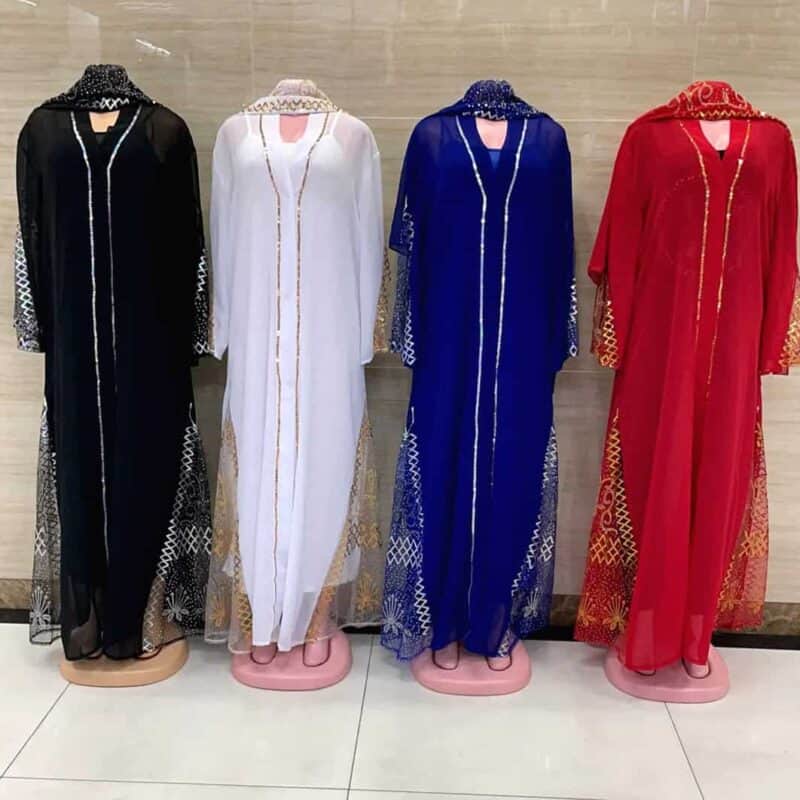
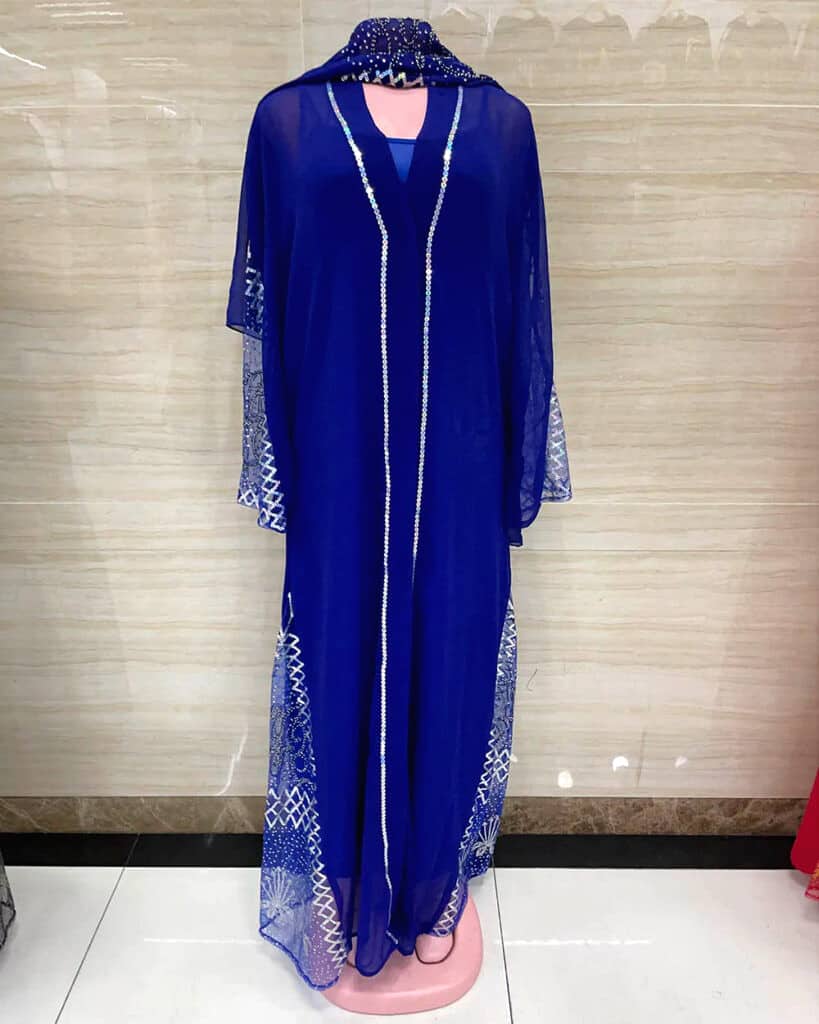
Blue African traditional dress adorned with white patterns and beads.
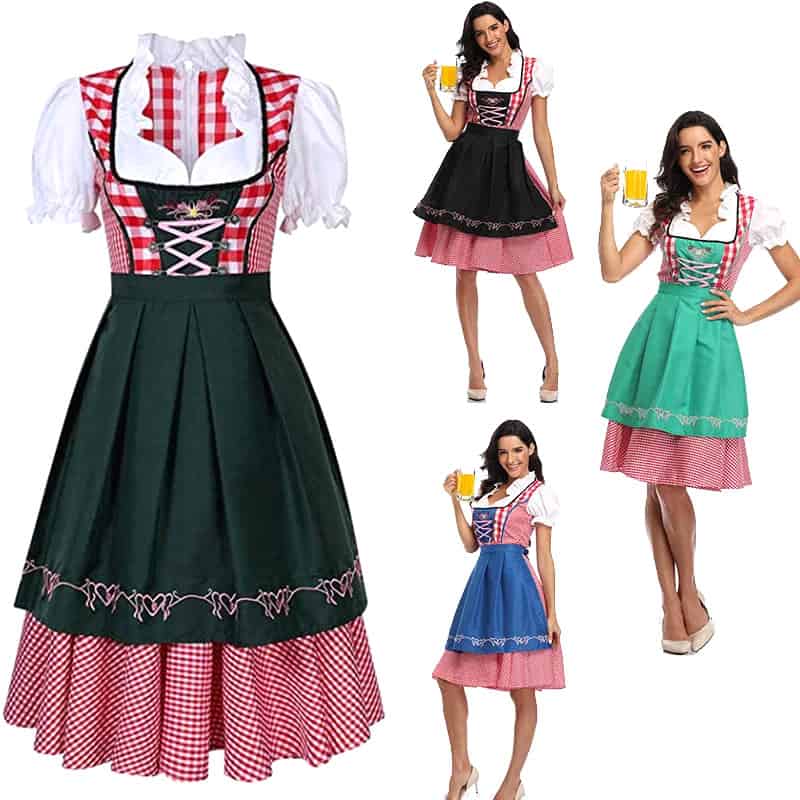
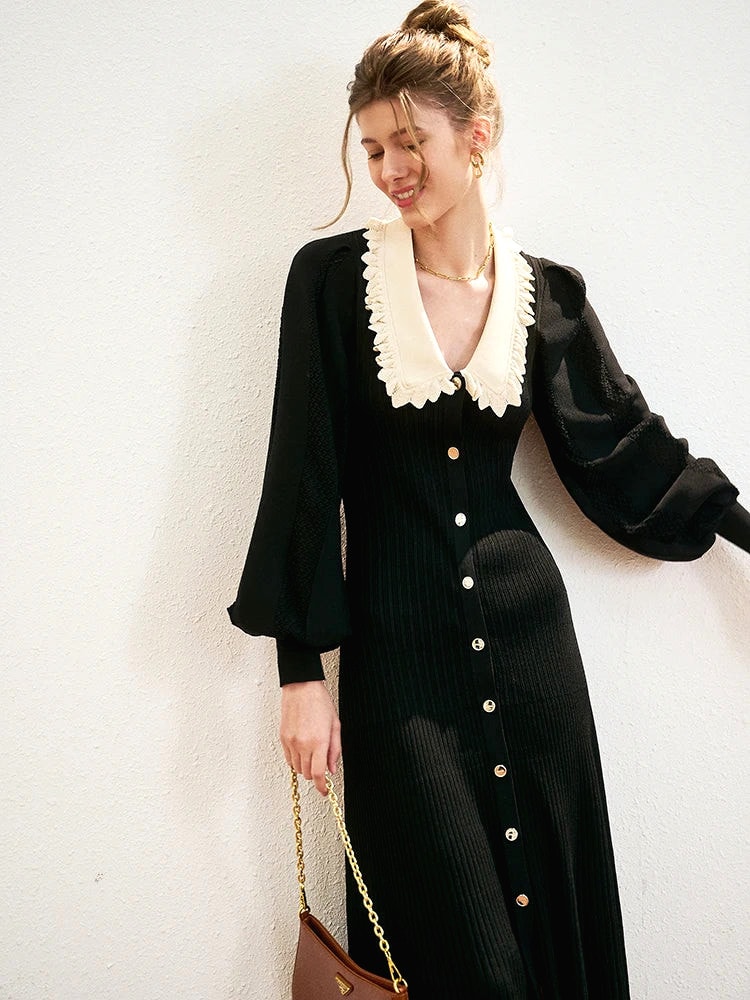
Black French traditional dress with a white collar.

Timeless European costumes

In Europe, traditional garments have evolved over time, but some outfits remain deeply rooted in cultural habits, especially for festive events and regional celebrations.

The Scottish kilt: Celtic heritage

A bearer of Scottish cultural identity, the kilt is a pleated skirt worn by men. Made of tartan, a woollen fabric woven in colourful patterns, each plaid represents a family clan. The kilt is often paired with accessories such as the sporran (a pouch worn at the waist) and knee-high socks.

The Bavarian dirndl and lederhosen: German festivity and folklore

Widely seen at Oktoberfest and other folk events in Bavaria, the dirndl (a women’s dress) and lederhosen (men’s leather shorts) are essential outfits. The dirndl consists of a blouse, a dress and an apron, creating a refined and festive silhouette.

  • Dirndl: a dress made up of a full skirt and fitted bodice, with a matching apron.
  • Lederhosen: leather shorts, often with braces and embroidered decorations.

Traditional outfits you simply must see:

Iconic Asian garments

Asia also boasts a vast range of traditional outfits that differ considerably from one country to another across the continent. These garments are worn not only for their beauty but also for symbolic and ritual reasons.

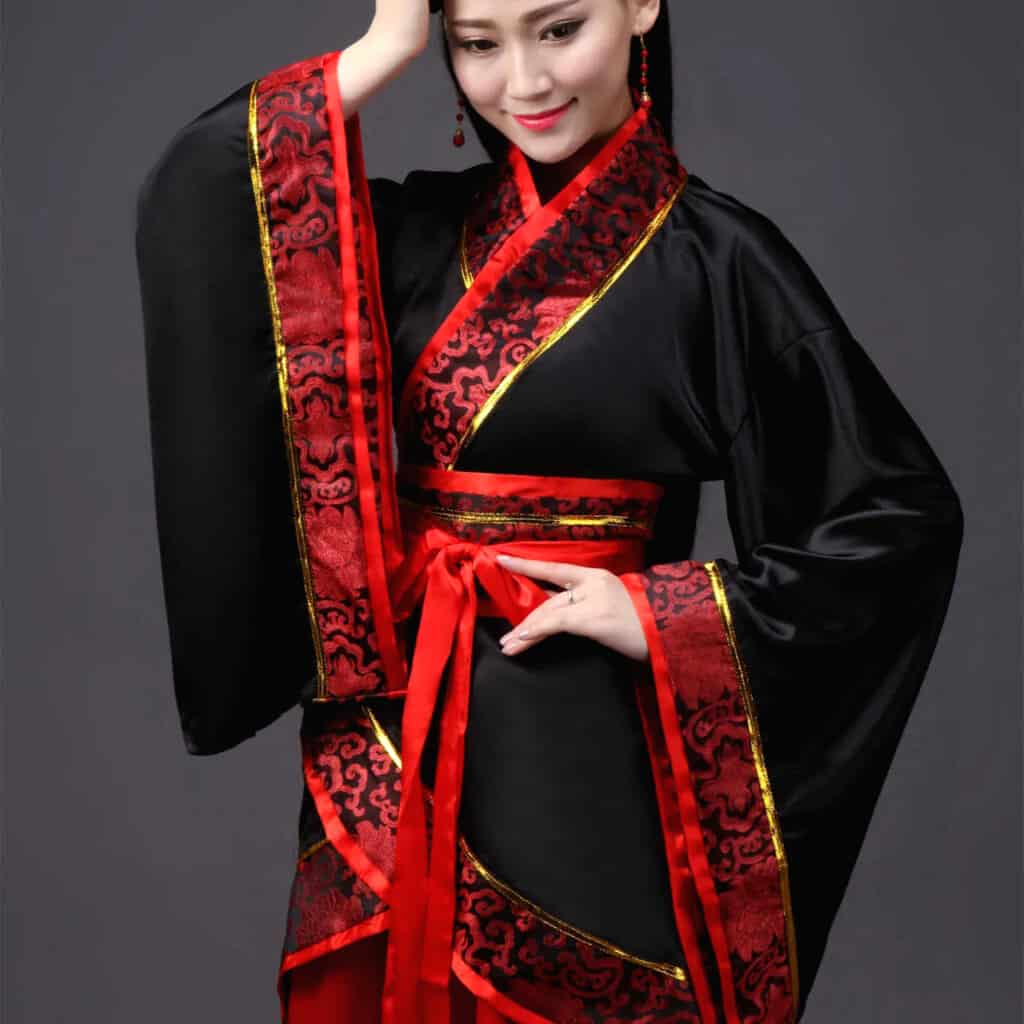
The kimono: Japanese art par excellence

The supreme symbol of traditional Japanese fashion, the kimono is a long robe that wraps across the front and is tied with a wide sash called an obi. Worn mainly at weddings and festivals, the kimono comes in several variants, depending on the season and the occasion.

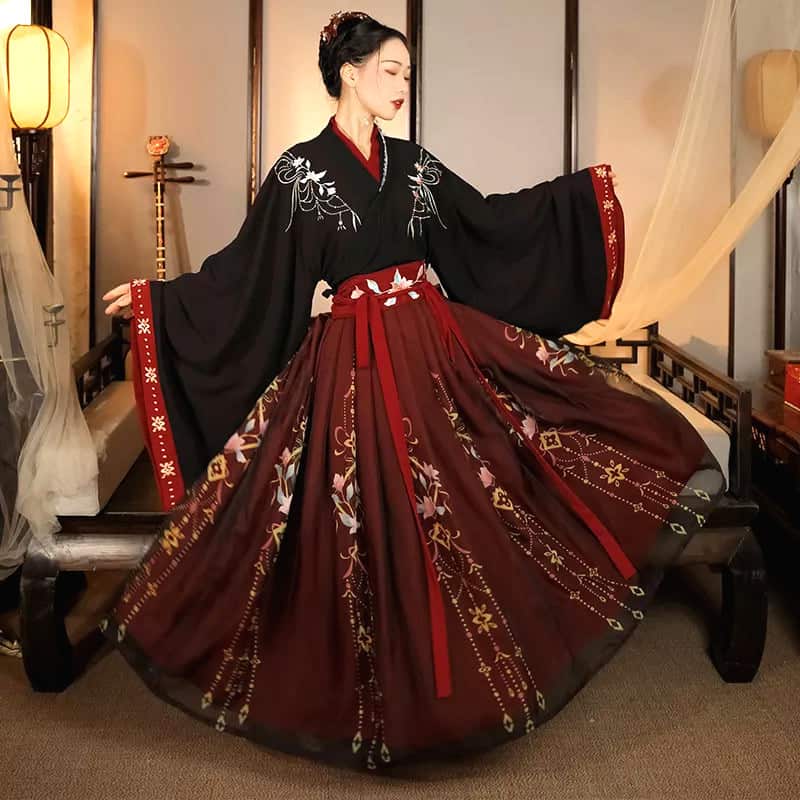
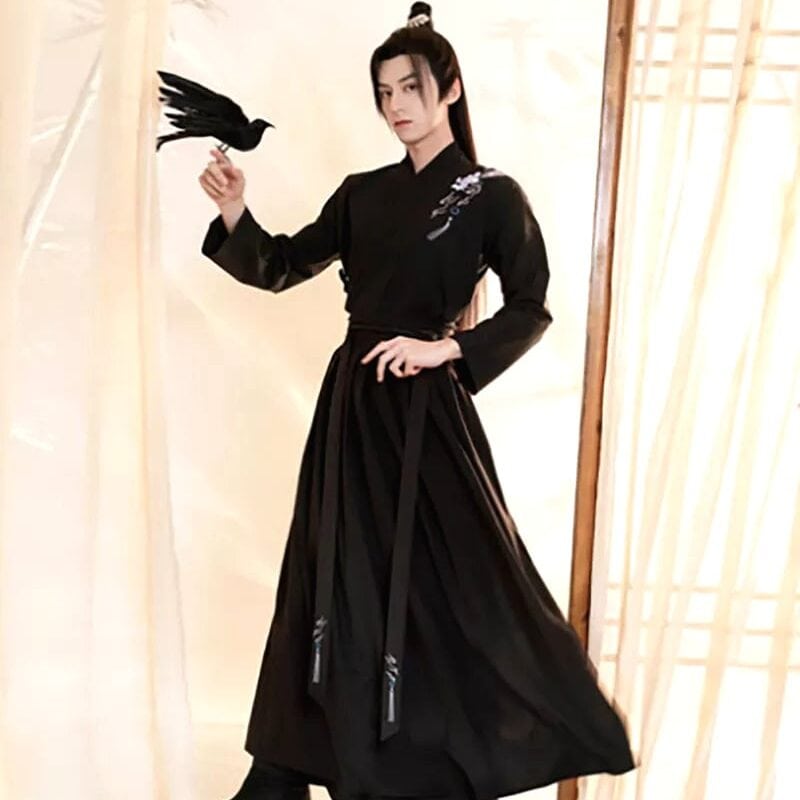
Woman in a black and red Japanese traditional outfit.
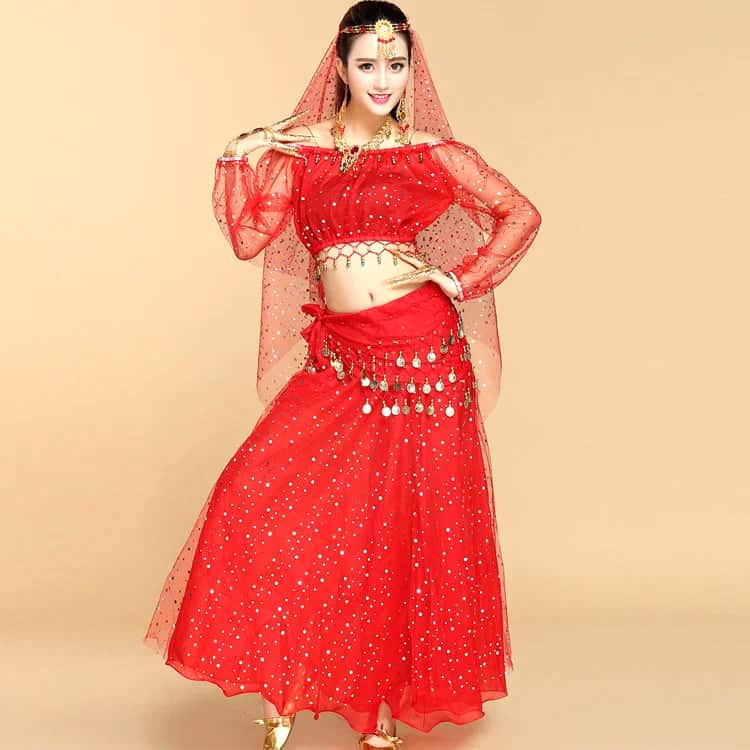
Red Indian traditional outfit adorned with rhinestones and jewellery.

The Indian sari: the essence of femininity

In India, the sari is without doubt the most iconic women’s garment. This long length of fabric, measuring around six metres, is wrapped around the body and draped over the shoulder to enhance the female silhouette. Alongside the sari, there is also the kurta for men, a long shirt worn with lightweight trousers or a dhoti.

  1. Sari: a long piece of fabric draped in a sophisticated way.
  2. Kurta: a long shirt usually paired with pyjama trousers or a dhoti.

Questions? We have all the answers

This varies a great deal, as every culture has its own specifics. In Africa, you will often find jewellery such as beaded necklaces or anklets. In Japan, the kimono is usually worn with geta (Japanese sandals) and a hair ornament called a kanzashi. In Scotland, the kilt is paired with a sporran and knee-high socks.

Of course! Many people now adapt these classic garments to fit into their everyday wardrobe. For example, wearing a shirt cut from a traditional fabric, or pairing modern trousers with a jacket inspired by traditional cuts, is a popular trend.

Every traditional outfit needs specific care depending on the materials and fabrics used. Silk kimonos require delicate cleaning, preferably by professionals. Cotton or linen garments can often be hand-washed with mild soap. It is best to avoid washing machines so as not to damage any details or embellishments.

Our online shop offers a wide range of authentic traditional outfits from all over the world. Fast delivery means you receive high-quality items straight to your door. Explore our collections to discover our different offers.

When buying traditional garments online, always check the seller’s reputation and customer reviews. Make sure the platform provides precise details on sizing, materials and care instructions. Finally, favour sites that offer returns policies and delivery guarantees, to reduce the risks involved in buying at a distance.

Exclusive offers when you subscribe to our newsletter

By subscribing, you accept our Privacy Policy and our Terms of Use.
0